


Luxury hospitality has always understood that the experience is the product. The thread count, the lighting, the temperature of the welcome; nothing is accidental. The best hotels are exercises in considered detail, and guests who choose them know it. What's sometimes underestimated is how much art contributes to that experience, not as decoration, but as a fundamental part of how a stay feels.
First Impressions Count
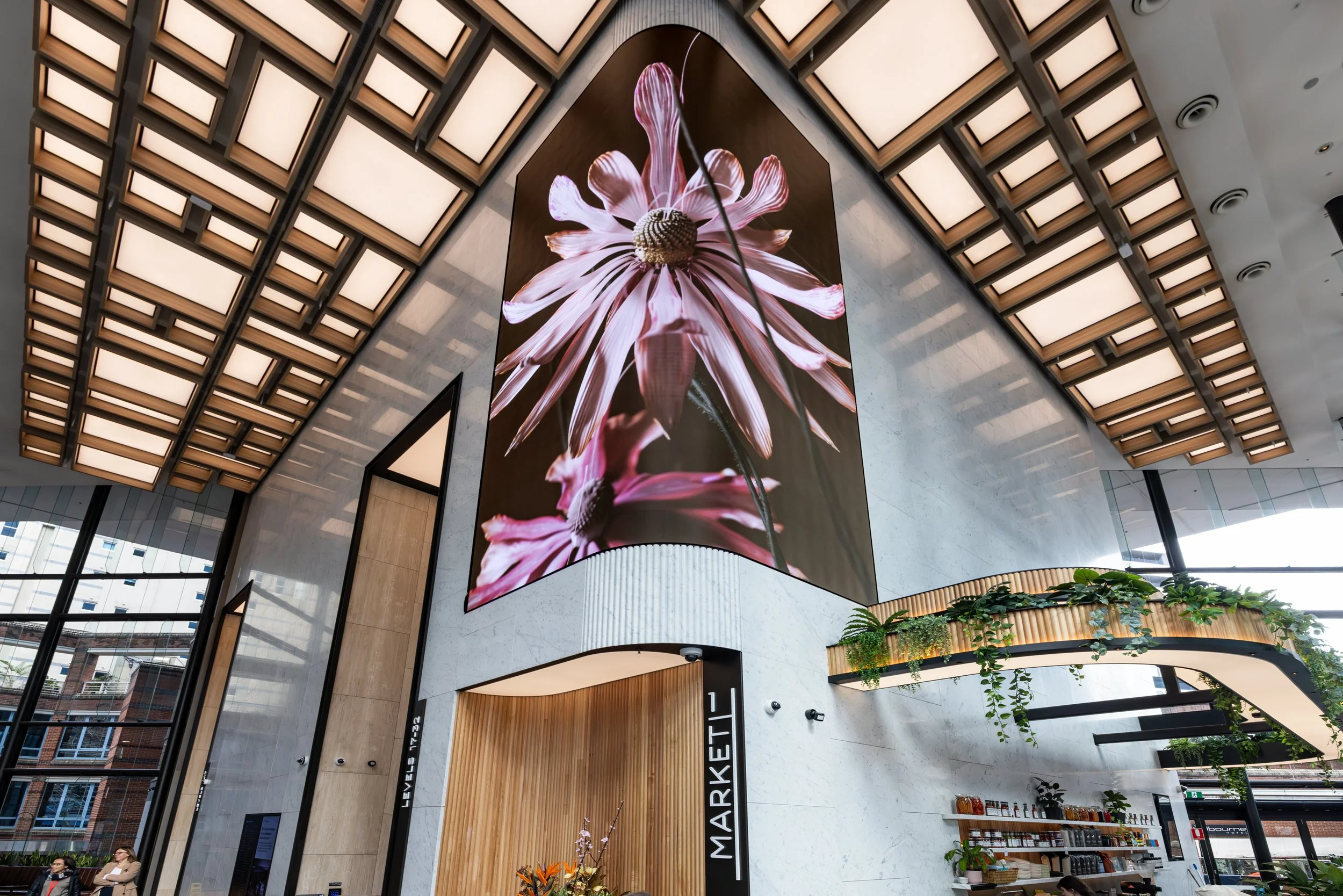
A guest's impression of a hotel forms quickly, and largely before any human interaction takes place. People are taking in the space, consciously or not, and forming a sense of whether this place is going to deliver on its promise.
Art that has been chosen with intention contributes to that sense of arrival. It signals that someone cared about this space beyond the purely functional. It adds warmth, curiosity, and personality. Art that hasn't been thought about does the opposite: it reads as filler, and guests, even if they can't articulate why, feel the difference.
-
A Sense of Place
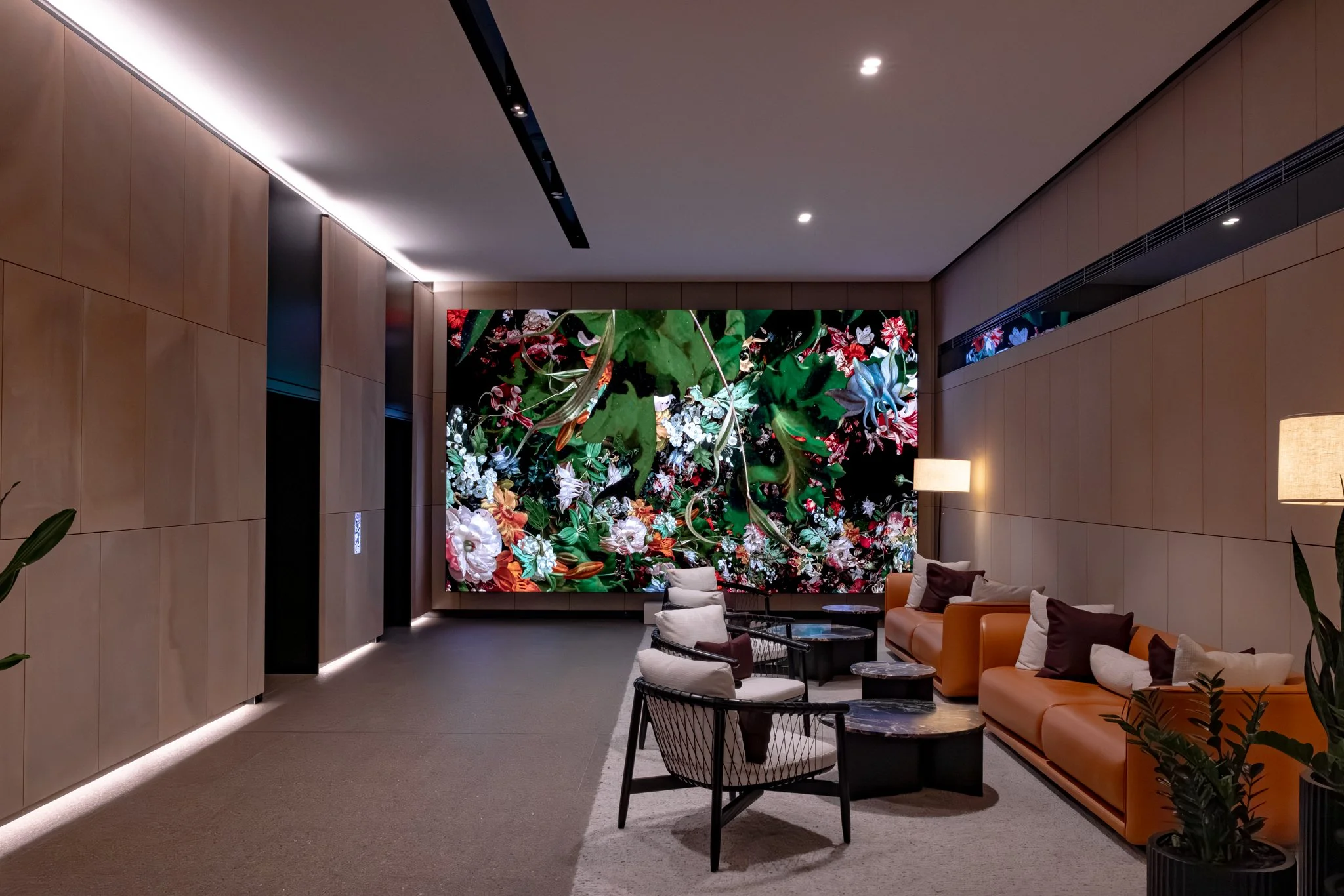
The most memorable hotel art programs tend to be rooted in where the hotel is located. Work by local artists, references to the cultural life of the city, and collections that reflect the history or character of a neighbourhood. This kind of curation creates something that no other part of the stay can replicate: a genuine connection to place.
A strong sense of place matters more than it used to. Travellers who are choosing luxury properties are increasingly looking for experiences that feel specific, that couldn't be lifted and placed somewhere else. A beautifully designed room can exist anywhere. A collection of work that speaks honestly to where you are cannot. That specificity is becoming a real point of difference.
-
The Room
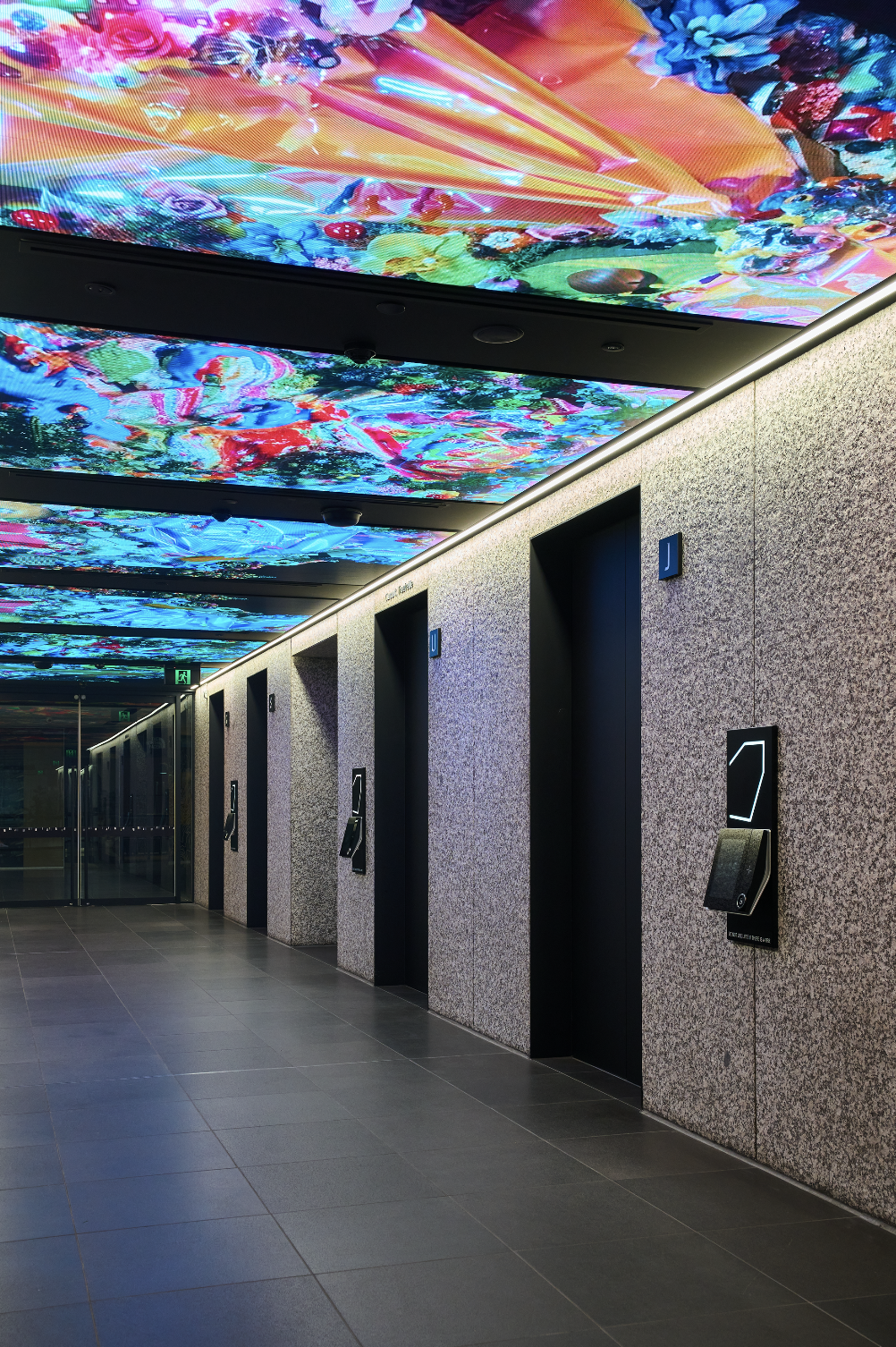
Art in guest rooms is one of the most underestimated touchpoints in hospitality. It's where a guest spends quiet time, winds down, wakes up. It's one of the few elements of a stay that doesn't require anything of them except to be present: no interaction, no decisions, no performance.
When a piece of art is genuinely interesting and rewards a second look, it contributes to the quality of that time in ways that are hard to measure but easy to remember. Guests may not be able to tell you what was on the wall. But they'll remember how the room felt. And the absence of something considered is equally felt, even if it goes unnamed.
-
Art as a Differentiator
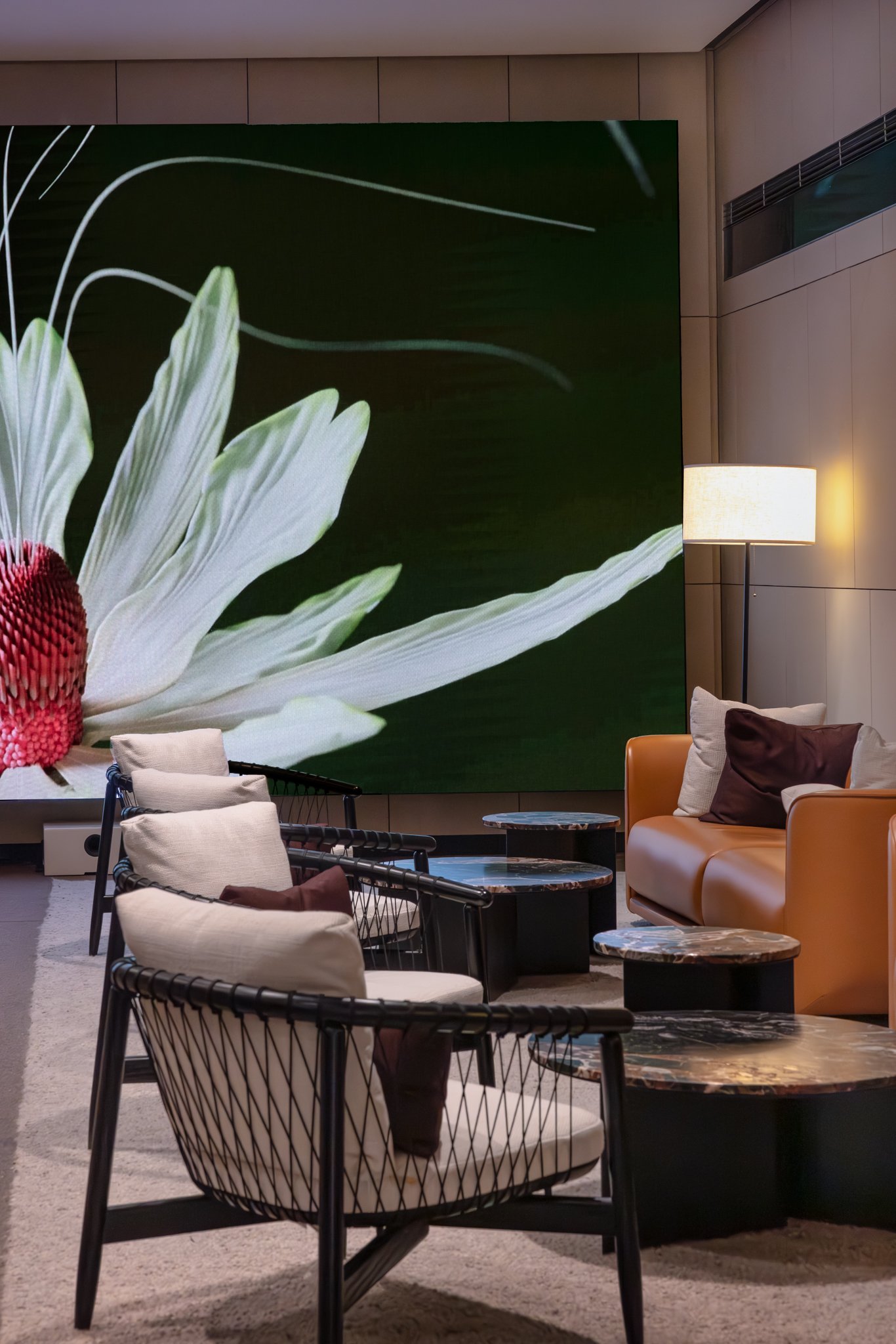
In a market where the tangible differences between luxury properties continue to narrow, the intangible ones carry more weight. Beds are comfortable. Bathrooms are well-appointed. Service is attentive. These are the baseline. What separates the hotels people return to and talk about tends to live in a different register: the feeling of a place, its personality, the sense that it has a point of view.
A considered art program is one of the more effective ways to build that kind of identity. It signals taste and investment. In an industry where word of mouth and reputation still matter enormously, those impressions compound over time.
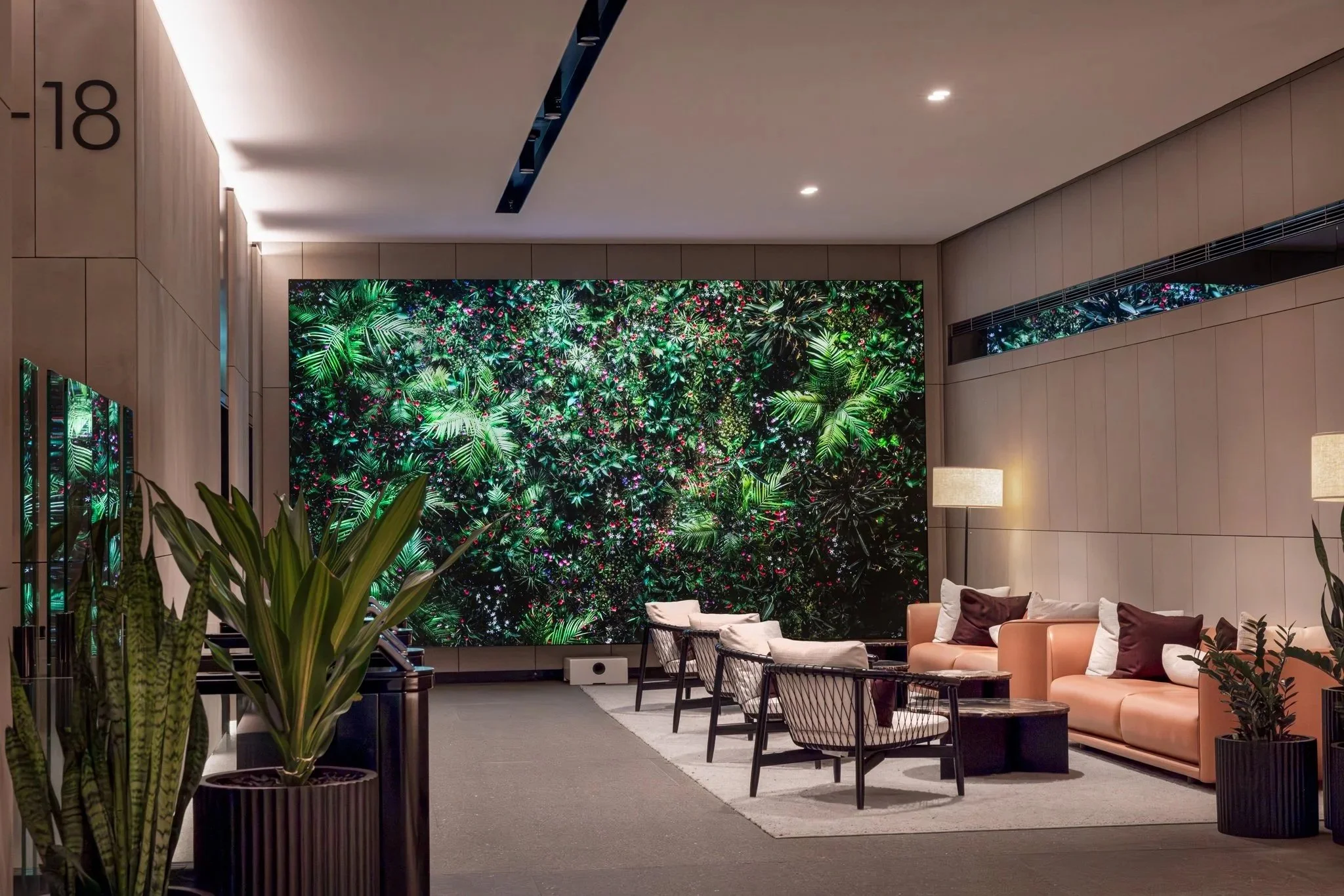
Hotel art gives guests something to respond to, something to remember, something that makes the experience feel curated rather than assembled.
-
Keeping It Alive
One of the challenges with art in hospitality is that collections can stagnate. A program that felt fresh at opening can become invisible to staff and returning guests, part of the background rather than part of the experience. This is where the ability to rotate and refresh a collection matters.
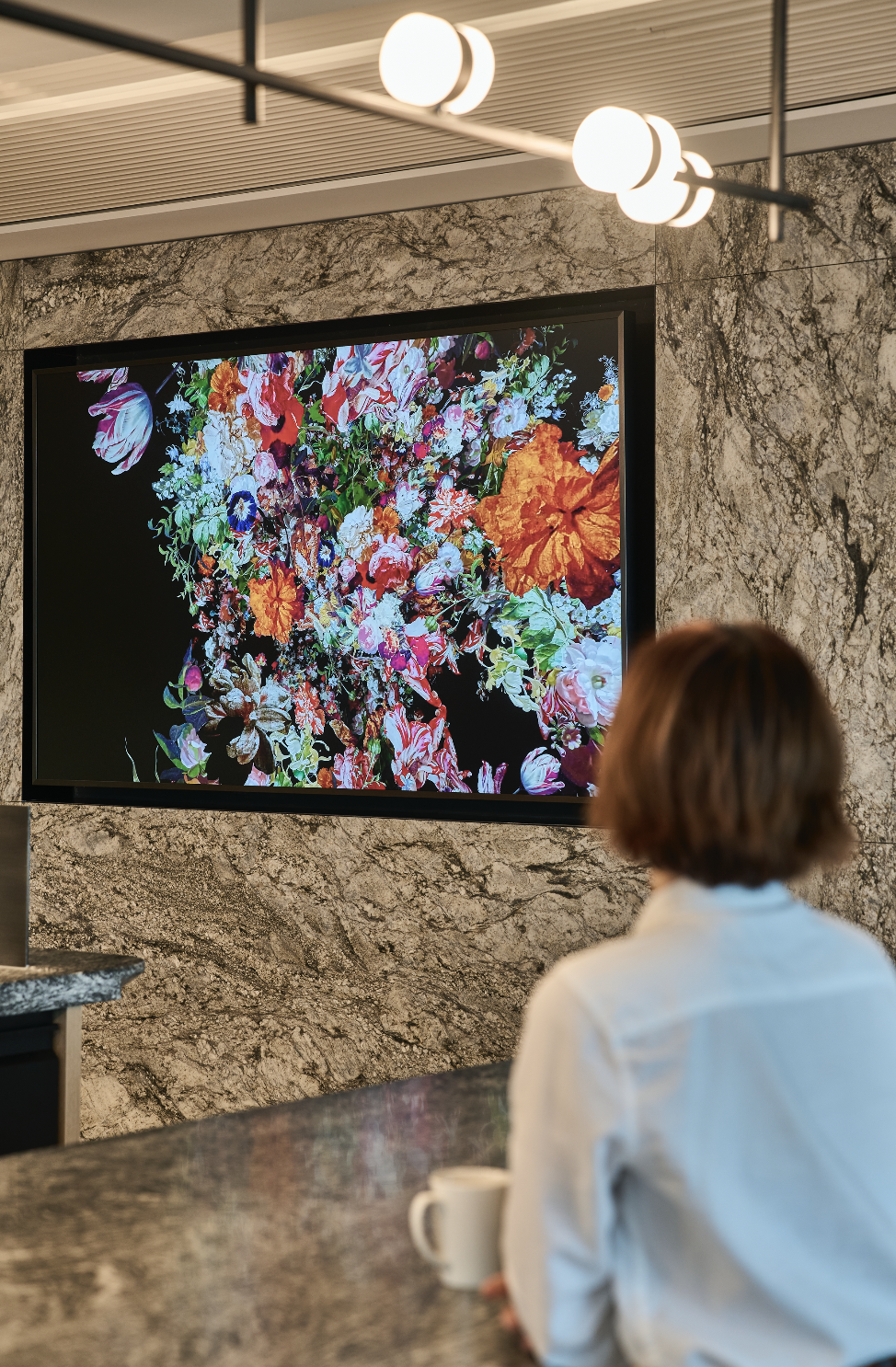
Sugar Glider Digital's platform gives hotels the flexibility to manage and update their digital art program across a property without the cost and disruption of physical installation. New works can be introduced seasonally, in response to cultural moments, or simply to keep the experience feeling current. This level of tailoring and consideration signals to guests that the hotel is invested in the experience, not just maintaining it.
Let's Create Something Meaningful
The hotels that handle art well tend to approach it the way they approach everything else in their offering: with clarity about who their guests are, with genuine expertise, and with enough commitment to let the program evolve rather than treating it as a one-time decision.
It's a different way of thinking about art in a space. Less about filling walls, more about shaping an experience. And for hotels that are serious about the quality of their guest experience, it's a conversation worth having.