


Festival Season Recap: Australia’s Most Creative Live Digital Visuals
A look back at the digital visuals that defined Australia’s 2026 festival season, from large-scale projections to immersive live stage design.
As summer comes to an end in Australia, so does the festival season. With some of the largest festivals behind us, it is a good time to reflect on the digital elements that shaped this year’s events. All around Australia, festivals are creating a blend of music, performance, culture, and digital environments that captivate large audiences. Growing technologies such as projections, large-scale LED stage designs, and generative visuals are increasingly becoming more than just details and forming central parts of live experiences. This summer, a number of Australian festivals and events showcased innovation in digital visuals and their ability to transform live events into exciting digital experiences.
Digital visuals have become a routine part of many festivals, often shaping the experience for audience members. With a blend of moving images, light, and technology, digital creative has the power to immerse and delight audiences. Digital art can bring music, art, and storytelling all together into one, enhancing audience engagement and transforming live events into immersive shared experiences.
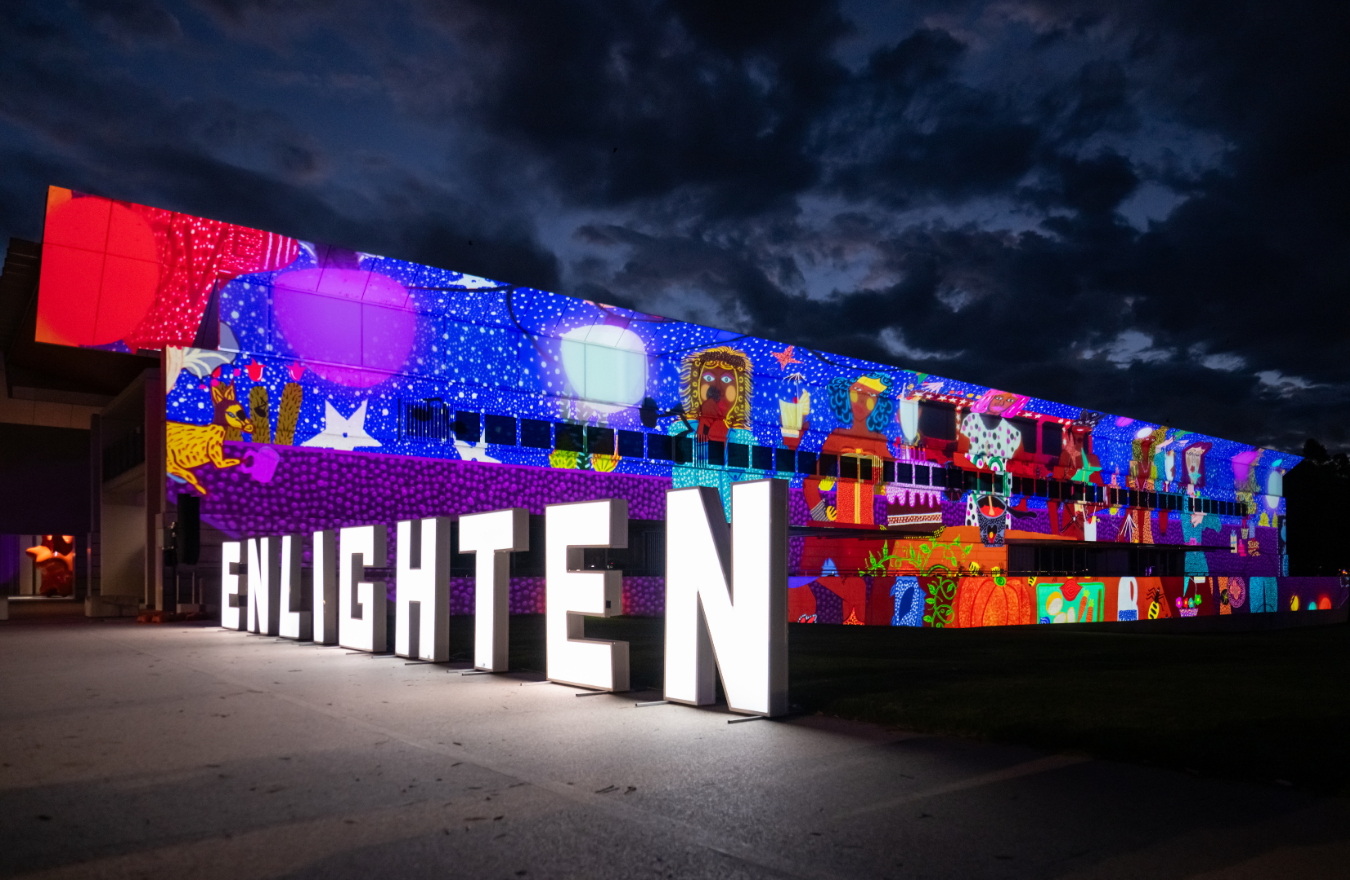
Enlighten Festival
Earlier this February and March, the Enlighten Festival in Canberra utilised digital art to illuminate the city’s iconic architecture. Curated by the Government of the Australian Capital Territory, the festival commissions a range of Australian and international artists, studios and creative technologists to deliver its large-scale digital works. The festival utilised projection mapping and transformed the capital’s landmarks, such as Parliament House and the National Gallery. After sundown, vibrant, animated light projections lit up the city, drawing in large numbers of visitors. With live music, food, and captivating performances, Enlighten demonstrated how the innovative use of digital art can elevate a large-scale event like a festival.
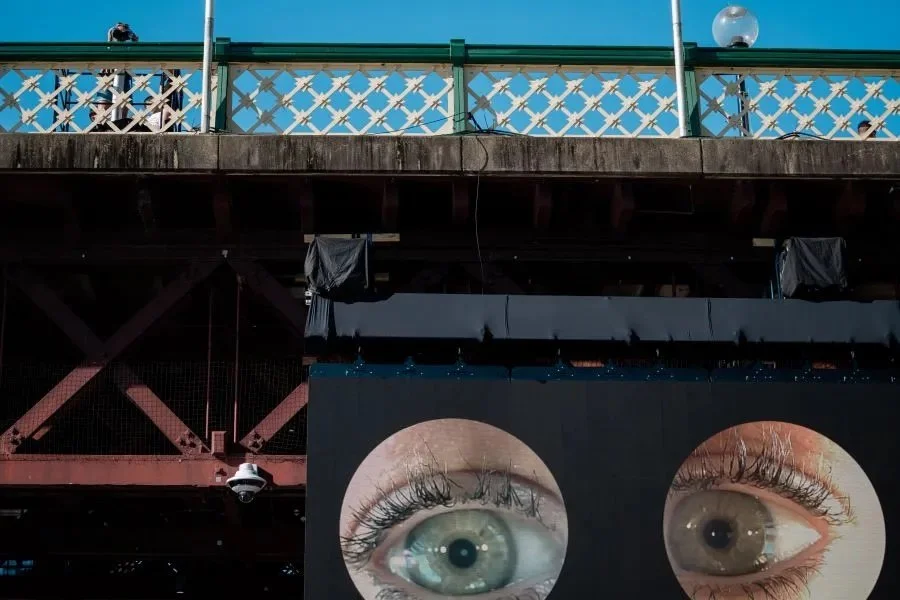
The Sydney Festival
The Sydney Festival, directed by Kris Nelson, which took place in January, held a strong program of events including cultural performances, music, and multimedia installations across the city. One installation that may have caught your eye (pun intended) was Observer, Observed by Julia Phillips in Darling Harbour. This interactive piece was all over social media, and passersby were eager to participate. Visitors could peer through a set of bronze binoculars overlooking the harbour, only to discover that their own eyes were being broadcast onto a nearby screen. The work cleverly blurred the line between observer and participant, encouraging audiences to reflect on surveillance, technology, and the act of looking in public spaces.
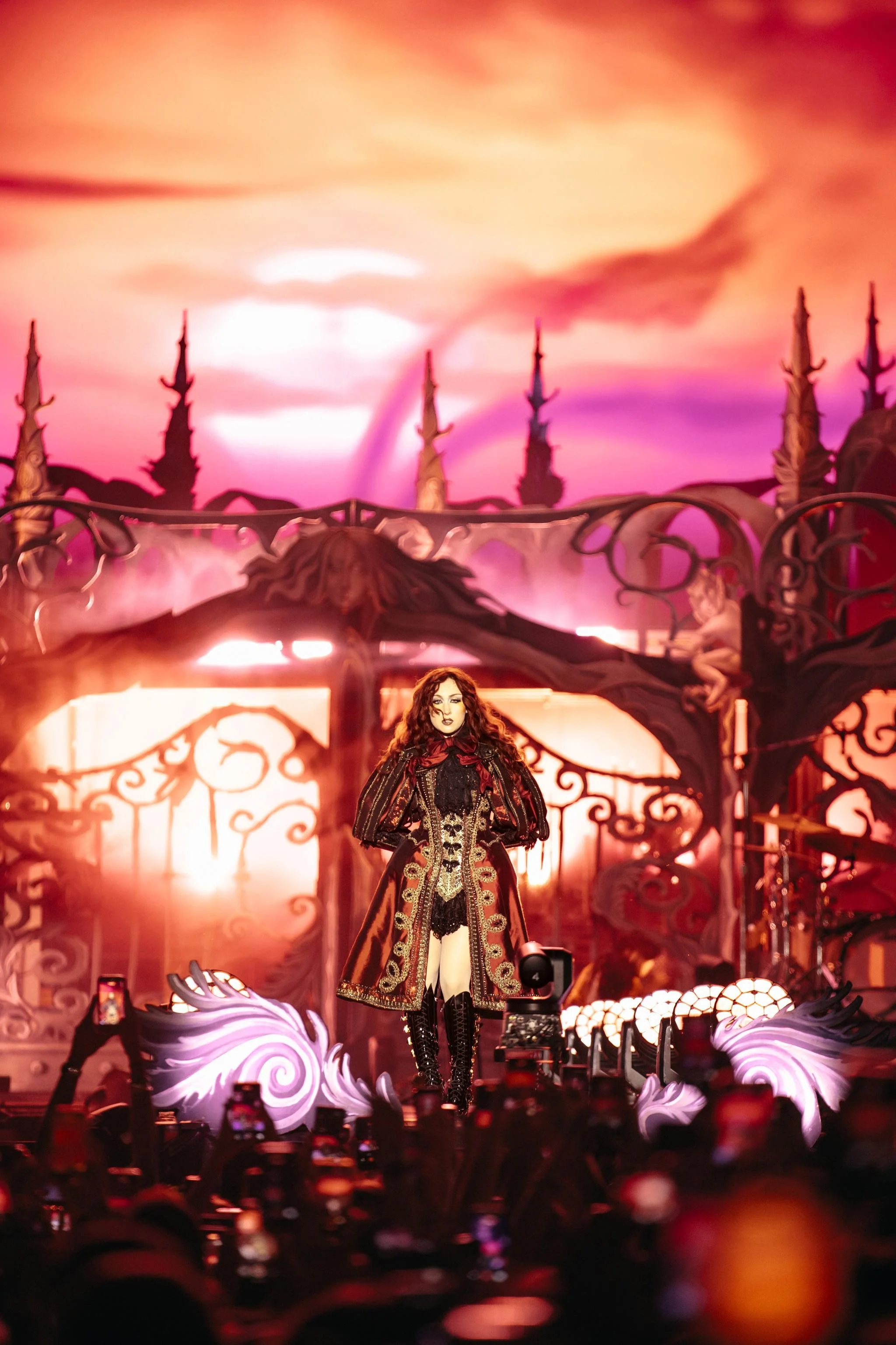
Laneway Sydney
Earlier in February, the Laneway Festival took place at Centennial Park in Sydney, but they have hosted events around the country. Known for showcasing emerging and alternative music acts, the festival also embraced striking digital stage design and visuals to enhance the live performances. Large LED screens, synchronised lighting, and generative visuals helped transform the stages into immersive environments that complemented the music. Throughout the day and into the evening, artists like Chappel Roan, Role Model, and more performed against constantly evolving backdrops of colour, motion, and digital art, adding another layer to the festival atmosphere. The integration of digital visuals amplified the performances and created memorable moments for audiences, both in person and across social media.
Festivals and Beyond as a Digital Canvas
Festivals can be a perfect laboratory for experimenting with digital creative technologies. Many of the digital techniques used in a festival setting have made their way into other contexts, including public art installations, immersive exhibitions, gallery displays, and corporate digital art. This year’s festival season in Australia once again demonstrated the advanced innovation in the digital art space. From projections in Canberra to immersive stages in Sydney, these festivals used digital elements to fully enhance their events. As technology continues to evolve, it is expected that festivals will only continue to become more digital and interactive, creating even more ways for audiences to engage with art.
Why this matters.
If we view the setting of festivals as a laboratory for creative digital expression, we can see just how exciting and experimental the creative landscape in Australia has become. These shared, immersive digital experiences captivate audiences in the moment, and contribute to meaningful placemaking by transforming cities, stages and public spaces into environments people connect with and remember. Beyond the festival context, digital art is able to elevate spaces, communicate identity and create lasting impressions in workplaces and public environments. As these ideas continue to evolve, they reinforce the opportunity to bring the same level of creativity, innovation and engagement into everyday spaces across Australia.
By Josie Lawrence